Open 24/7, Monday to Sunday | Serving Panama City since 2015(850) 749-6582
Vincent Dumpster RentalDumpster Rental Panama City, FL
Dumpster Rental Panama City, FL

Local debris service

Dumpster Rental Panama City, FL

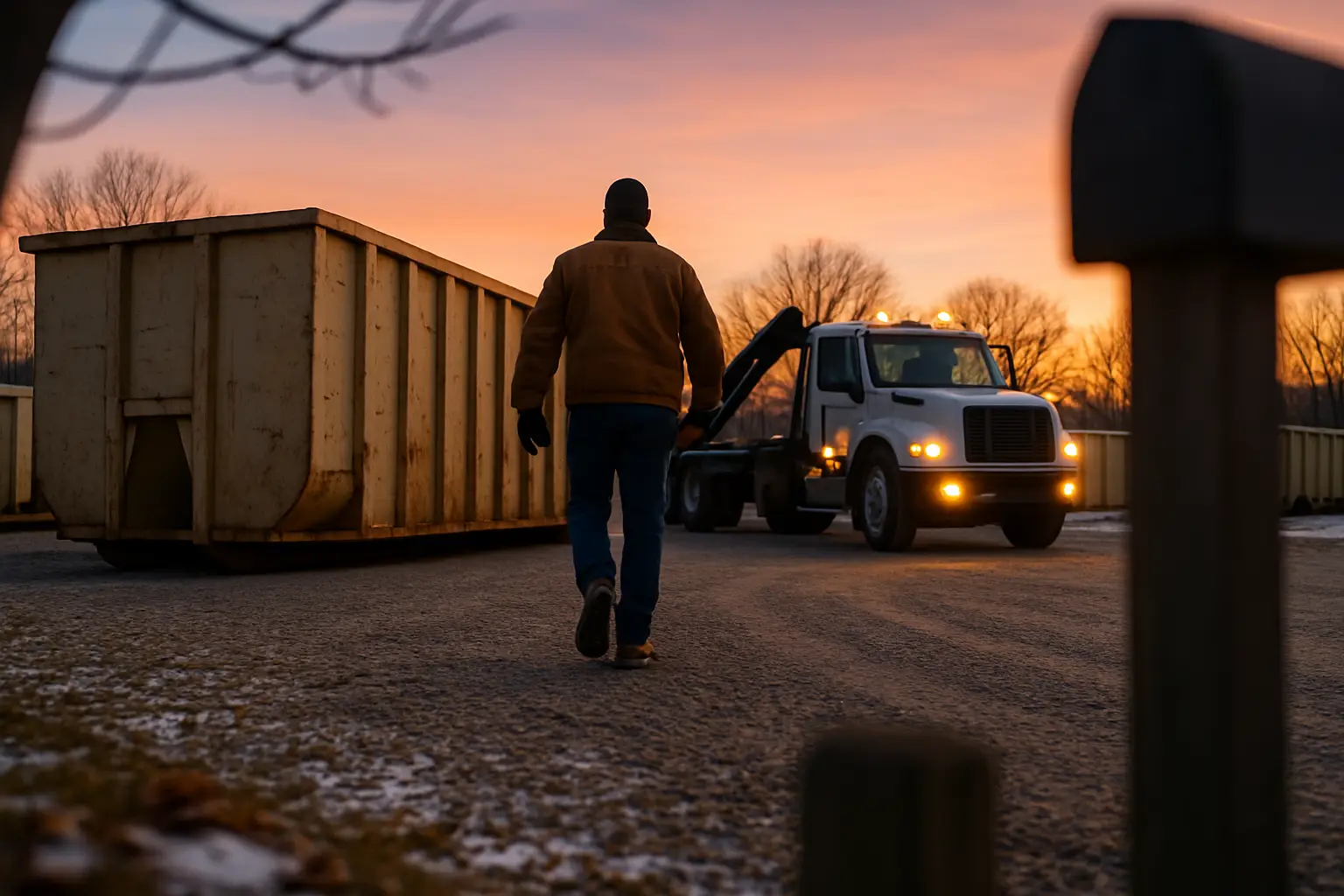
Vincent Dumpster Rental confirms placement details before delivery, with access and clearance notes kept with the job.

Dumpster Rental Panama City, FL gives Vincent Dumpster Rental a practical way to handle remodeling debris, roofing material, cleanouts, and yard waste. We help choose a container that fits the work and the property, then coordinate placement around driveways, overhead lines, narrow approaches, and the truck’s turning room.

  • Open 24/7, Monday to Sunday
  • Serving Bay County

Project-based service

Dumpster options for homes, roofs, and job sites

Panama City customers usually know the project before they know the container size. These common jobs show where a dumpster fits and what details affect delivery.

  • House Cleanout Dumpsters

    A house cleanout may contain furniture, boxes, clothing, appliances, and broken fixtures. We discuss the amount of bulky material, the loading route, and whether a driveway can support placement. Separate heavier debris before delivery so the container is filled safely and the chosen size remains practical.

    Whole-home clearing
  • Garage and Attic Cleanout Dumpsters

    Garage and attic work often produces awkward items that cannot be compacted efficiently. A container near the loading path can reduce repeated carrying, but low branches, carports, and narrow driveways need review first. Describe the access route and the largest items before choosing equipment.

    Bulky storage cleanup
  • Home Renovation Dumpsters

    Bathroom, kitchen, flooring, and wall-removal projects create mixed debris with different weights. Tile, cabinets, drywall, and lumber may occupy space quickly, while masonry can make a full container too heavy. We help separate volume questions from weight questions before delivery.

    Remodel debris
  • Yard Debris Dumpsters

    Storm cleanup, pruning, brush removal, and small landscape projects can fill a container with irregular material. Cut long limbs to a manageable length and keep soil, concrete, and household trash separate. Panama City’s wet weather also makes ground conditions worth discussing before placement.

    Outdoor material
  • Moving Cleanout Dumpsters

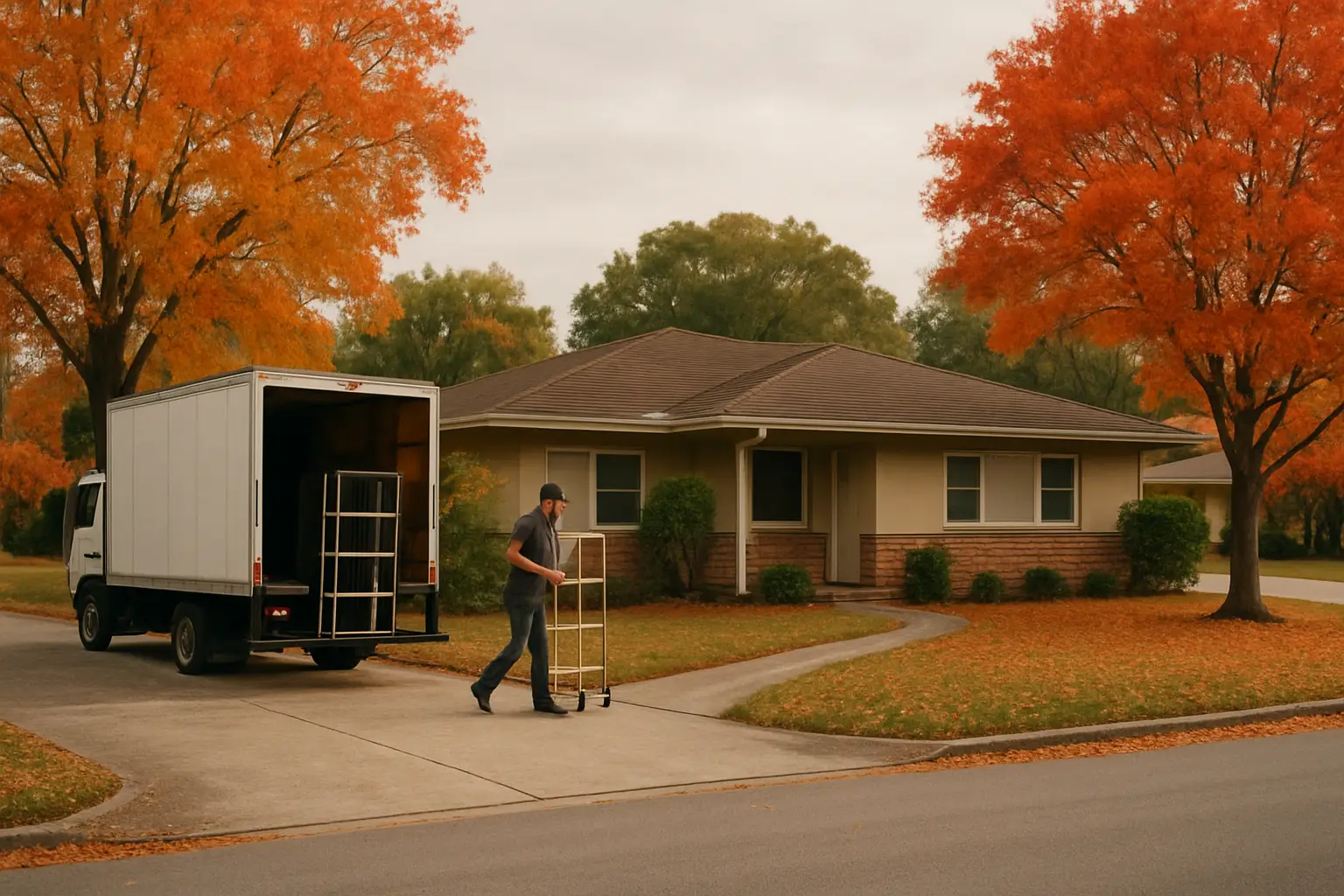
    Moving often leaves a mixture of unwanted furniture, shelving, boxes, and household goods. The best location is usually close to the cleanout path without blocking the moving truck or garage. Estimate bulky items honestly, because volume can grow faster than expected during final sorting.

    Move-out debris
  • Same-Day Dumpster Delivery

    Some jobs become urgent after a closing, storm, contractor change, or sudden cleanout. Same-day delivery depends on equipment, route planning, material, and safe placement availability. We still need the address, access details, desired location, and debris description before confirming what can be arranged.

    Urgent cleanup
  • Roofing Dumpsters

    Roof replacement produces dense loads of shingles and underlayment that can become heavy before the container looks full. Placement should keep the truck away from fragile landscaping and leave room for roof crews to work. Tell us the roof type, tear-off scope, and driveway conditions.

    Roof tear-offs
  • Construction Dumpsters

    Construction sites may generate lumber, drywall, packaging, flooring, and limited masonry. A container works best when the crew has a clear loading zone and the site manager knows what materials are excluded. We can discuss size, access, placement, and collection coordination for the project.

    Jobsite debris
  • Commercial Recurring Dumpster Service

    Businesses, contractors, and property managers may need regular debris removal instead of a single cleanup. Service planning considers the material stream, container location, loading access, collection frequency, and changes during busy phases. Share the site layout and expected work so the schedule matches operations.

    Ongoing commercial work

Local equipment guidance

Panama City projects need practical container planning

Vincent Dumpster Rental serves Panama City properties where access can change from one block to the next. A broad driveway, a tight side street, and a home near the bay each create different delivery questions. We look at the proposed placement, approach, overhead clearance, and surface before the truck arrives. That helps prevent a container from blocking a garage, hanging over a sidewalk, or leaving too little room for the truck to work. We are licensed, bonded and insured, and have served the area since 2015. The goal is simple: match the container to the debris and the property instead of selling a larger option by default.

A container is useful only when it can be loaded safely and collected without disrupting the property. Tell us whether the material comes from a kitchen renovation, roof replacement, move, estate cleanout, or landscape project. Heavy shingles, concrete, tile, soil, and masonry may require a different plan than bulky household contents. Vincent Dumpster Rental can discuss what belongs in the container, what should stay out, and how to protect the driveway. Our work includes residential jobs, commercial debris, and recurring service, with scheduling available 24/7, Monday to Sunday.
Placement planning

Where a container can sit in Panama City

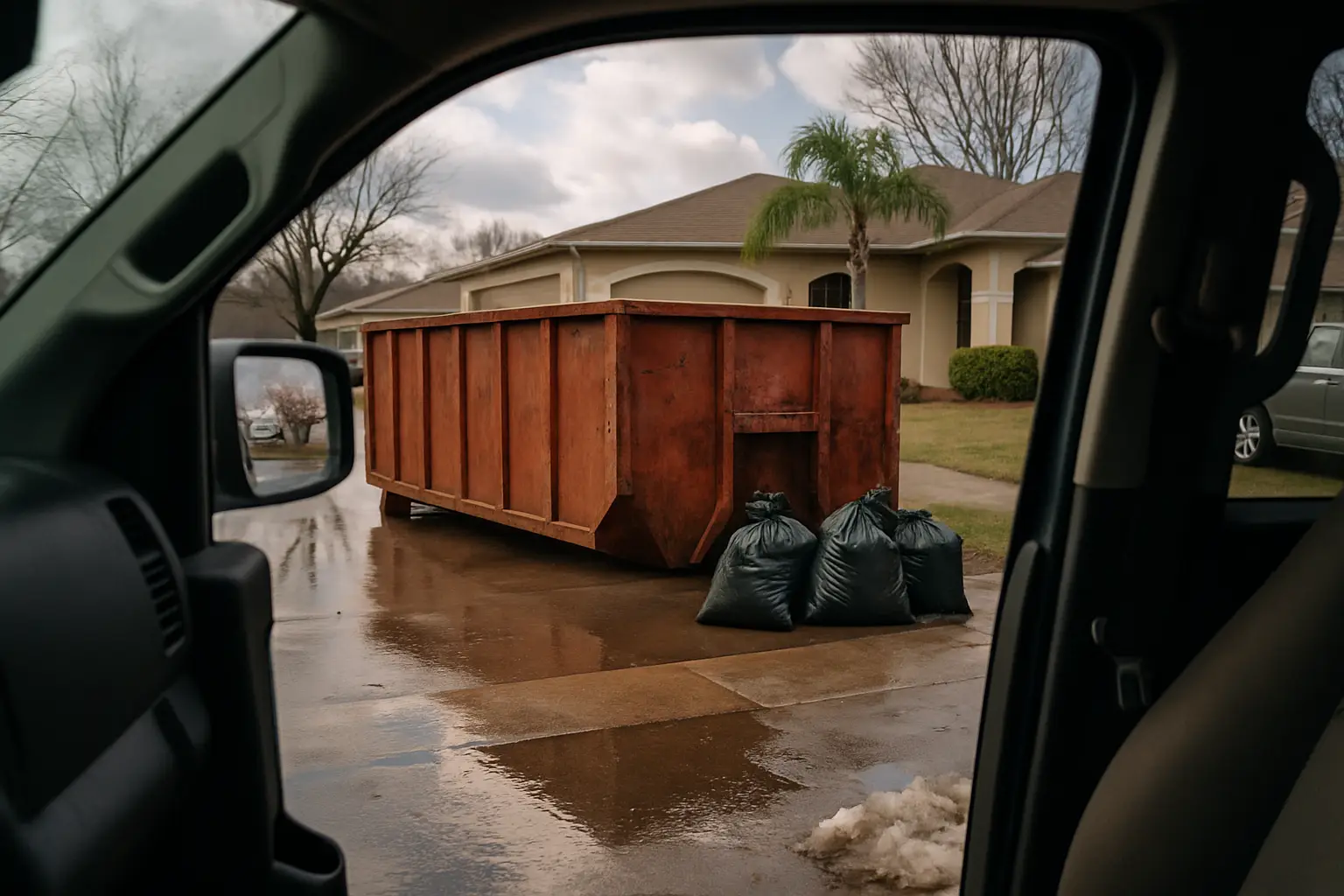
The easiest placement is usually a stable private driveway with a straight approach and room for the truck to align. Panama City streets vary from broad residential pavement to tighter blocks where parked vehicles, drainage edges, or sidewalks limit positioning. A container should not block a travel lane, sightline, sidewalk, fire access route, or a neighbor’s driveway. A container on a public street usually needs town permission first; tell us where it has to sit and we will explain what applies. Soft shoulders and sandy ground can be poor choices after rain, while older pavement may have fragile edges. Share the address, preferred location, gate width, nearby branches, overhead lines, and whether a truck can approach without backing through a tight turn.

The truck needs more than the container’s footprint. It needs a usable route, turning room, overhead clearance, and a surface that can handle the equipment. A narrow lane near a bayfront or established neighborhood may require moving cars before delivery. Newer subdivisions can have open drives but limited curbside space, while commercial corridors may have loading traffic that changes throughout the day. Do not place materials, trailers, or equipment in the approach before the delivery is complete. If the property has a slope, drainage swale, construction trench, soft lawn, or recently repaired pavement, mention it. A site check may lead to a different position or a smaller container, and that is preferable to forcing equipment into an unsafe location.

Material and capacity

How Panama City homes change size decisions

Panama City has older homes, newer subdivisions, apartments, vacation properties, and commercial spaces, so a project’s debris profile varies widely. A bathroom update may produce compact but heavy tile and fixtures. A kitchen renovation can combine cabinets, drywall, flooring, and appliances. A move or estate cleanout creates bulky furniture and boxes that consume space without weighing as much. Roofing work is different again, because shingles become dense quickly. The visible pile is only part of the decision. Think about the material’s weight, whether it can be broken down, how far it must be carried, and how much access the crew needs. A smaller container can suit light debris, while high-volume remodeling or commercial work may need more room.

Moisture adds another local consideration. Wet springs, summer storms, and hurricane cleanup can make yard debris heavier and can soften unpaved placement areas. Keep soil, concrete, masonry, and other dense material separate in your estimate rather than treating them like household contents. Do not fill above the top edge or pack one side higher than the other. If the project includes both bulky and heavy debris, explain the combination before selecting equipment. Vincent Dumpster Rental can compare the material with the available container tiers and tell you when a dumpster is not the economical choice. For recurring work, describe the normal weekly material and the occasional surge so service is planned around the real load, not an optimistic guess.

Additional cleanup options

Some jobs need a different service

How the job works

A straightforward plan protects the property

  1. Describe the material

    Start with the project, the material, and the approximate amount. Mention shingles, concrete, soil, appliances, furniture, brush, or other dense items separately. Weight can matter as much as visible volume, so a plain description is more useful than guessing from the room count.

  2. Review the property

    We discuss the address, driveway, street access, gates, slopes, branches, utility lines, and the location you prefer. A public street may require local permission before a container can sit there. Tell us if the property is in a flood-prone or soft-ground area.

  3. Confirm the size

    The container should leave enough room for the debris without paying for unnecessary capacity. We compare the project’s volume and weight with the available placement area. If a smaller option fits safely, we will say so. If the material is dense, we explain that plainly.

  4. Prepare the loading area

    Move vehicles and loose objects from the placement zone, protect items that must remain accessible, and keep the approach open. Do not place debris before delivery unless discussed. Mark low branches, gates, soft shoulders, and any feature the driver should know about.

  5. Load and coordinate removal

    Load evenly and keep material below the top edge. Prohibited or uncertain items should be identified before they enter the container. When the project is finished, provide the pickup details and mention any access change, especially after storms, construction, or landscaping work.

Why local planning matters

The details that keep delivery workable

  1. Placement is part of the service

    A container is not simply dropped wherever there is open pavement. The truck needs a usable approach, room to position equipment, and enough overhead clearance. We discuss the intended location before delivery so a driveway, garage, sidewalk, fence, or utility line is not treated as an afterthought. Pre-delivery site checks confirm access, placement, and overhead clearance, which gives the driver useful information before arriving.

  2. Material changes the recommendation

    A full container of cardboard is not the same load as a full container of roofing shingles, tile, concrete, or soil. Dense debris can create weight concerns while bulky debris consumes space quickly. We ask what is being removed, not just how many rooms are involved. That distinction can keep a customer from choosing a container that is too small, too heavy, or unnecessarily large.

  3. Local conditions affect preparation

    Panama City has flat areas, sandy ground, older paved drives, newer subdivisions, narrow residential streets, and properties influenced by heavy rain or storm cleanup. Those conditions can affect where equipment sits and how the truck approaches. Vincent Dumpster Rental works through those details before scheduling, and remains available 24/7, Monday to Sunday for project planning and service questions.

Worksite standards

What we check before the truck arrives

  • Access must be wide and stable enough for the delivery equipment to reach the placement area.
  • Describe overhead branches, wires, carports, gates, and other clearance limits before scheduling.
  • Keep vehicles and loose belongings away from the planned container position.
  • Dense materials such as concrete, tile, soil, and shingles require a separate weight discussion.
  • Never assume a public street placement is allowed without checking local permission requirements first.
  • Loading material evenly helps preserve usable capacity and keeps the container balanced.
  • Storm water, soft shoulders, and damaged pavement can change the safest placement choice.
  • Tell us about access changes before pickup so the driver is not blocked.

Common questions

Answers before you schedule delivery

What size dumpster do I need for a home renovation?

The right size depends on the renovation materials, not just the room count. A bathroom update may fit a smaller container, while a kitchen remodel with cabinets, flooring, drywall, and appliances needs more capacity. Tile and masonry add weight quickly. Tell us the project scope, material types, and available placement area. Panama City homes may have tight drives or soft shoulders after rain, so clear the approach and identify overhead limits before scheduling.

Can a dumpster go on my street in Panama City?

A container may be placed on a public street only when local permission and safe traffic access allow it. Private driveways are usually simpler, but they still need a stable surface and clear approach. Tell us the exact street or driveway location so we can explain what may apply. Keep sidewalks, sightlines, travel lanes, and access points open, and have the preferred placement marked before the call.

How much space does a dumpster need?

A dumpster needs its own footprint plus enough room for the truck to approach, align, and place it safely. The required clearance varies with the container tier, driveway shape, gates, branches, wires, and nearby vehicles. Describe the property and send no equipment into the approach before delivery. Panama City lots can differ sharply between older blocks and newer subdivisions, so a simple address alone may not describe the access.

What can I put in a dumpster?

Common allowable materials include household contents, construction debris, roofing material, yard debris, furniture, boxes, and similar project waste, subject to the specific load plan. Hazardous materials, certain liquids, and other restricted items need to be identified before loading. Ask about anything uncertain rather than placing it in the container. Separate concrete, soil, tile, and shingles in your description, because dense material can affect the recommendation.

Can I rent a dumpster for roofing shingles?

Yes, roofing dumpsters are commonly used for shingles, underlayment, and related tear-off debris, but roofing material becomes heavy quickly. The size recommendation depends on roof area, layers, access, and where the container can sit without interfering with the crew. Tell us the roof type and tear-off scope. Keep the driveway approach open and mention fragile landscaping, low branches, or pavement concerns around the Panama City property.

How should I prepare my driveway for delivery?

Clear vehicles, trailers, loose objects, and project tools from the placement zone and the truck’s approach. Confirm that gates open wide enough and report branches, wires, slopes, soft ground, drainage edges, or damaged pavement. A stable private driveway is often the simplest location, but no surface should be assumed suitable without discussion. Mark anything that must remain accessible and avoid loading the area before delivery.

Can I schedule dumpster service every day?

Vincent Dumpster Rental is available 24/7, Monday to Sunday for scheduling and service coordination. Delivery timing still depends on equipment, route planning, safe access, and the details of the job, so availability should be confirmed for the requested date. Panama City weather and storm work can affect ground conditions. Have the address, material description, container size preference, and placement details ready when you call.

What should I do if my project has concrete or soil?

Tell us about concrete, soil, brick, block, tile, and other dense materials before choosing a container. These materials can make a load heavy even when the container is not full, so they may require different guidance from household or renovation debris. Keep dense material separate from your general estimate. On Panama City properties, rain can add moisture and soften unpaved ground, so describe both the material and placement surface.

Plan the delivery

Bring the property details to the conversation

Vincent Dumpster Rental can review the project, container size, material, access, and preferred placement with you. Service is available 24/7, Monday to Sunday. A few accurate details help us avoid recommending equipment that will not fit the driveway, will be too heavy for the work, or will interfere with your schedule.

Phone

(850) 749-6582

The conversation covers the project material, container size, placement, access conditions, scheduling, and pickup needs.

Availability

24/7
Monday to Sunday, day and night

Have this ready

  • Property address
  • Debris description
  • Preferred placement
  • Requested schedule

Where we work

Panama City, plus Lynn Haven, Callaway, Springfield, Parker, Panama City Beach, Mexico Beach, Port St. Joe, Wewahitchka, Blountstown and Cottondale.

See the full service area list

Get the container plan before cleanup starts

Describe the material and property access to Vincent Dumpster Rental before debris reaches the driveway. We will discuss the practical size, placement, preparation, and scheduling details for your Panama City project.

Click Here to Call(850) 749-6582

Bay County coverage

Dumpster service centered on Panama City

Vincent Dumpster Rental focuses this page on Panama City while also coordinating service in Lynn Haven, Callaway, Springfield, Parker, Panama City Beach, Mexico Beach, Port St. Joe, Wewahitchka, Blountstown, and Cottondale. Route planning, access, material, and placement still determine what can be scheduled for each address. Share the exact property details so the equipment plan matches the job.

neighborhoods:[

Downtown Panama CitySt. AndrewsMillvilleGlenwoodCallaway Historic DistrictHiland Park

Dumpster Rental in nearby towns

Click Here to Call(850) 749-6582